If manga is part of why you're learning Japanese, you probably know the feeling of wanting the real thing: not the translation, not the scan, but the Japanese pages themselves, ideally found on a dusty shelf somewhere in Tokyo.
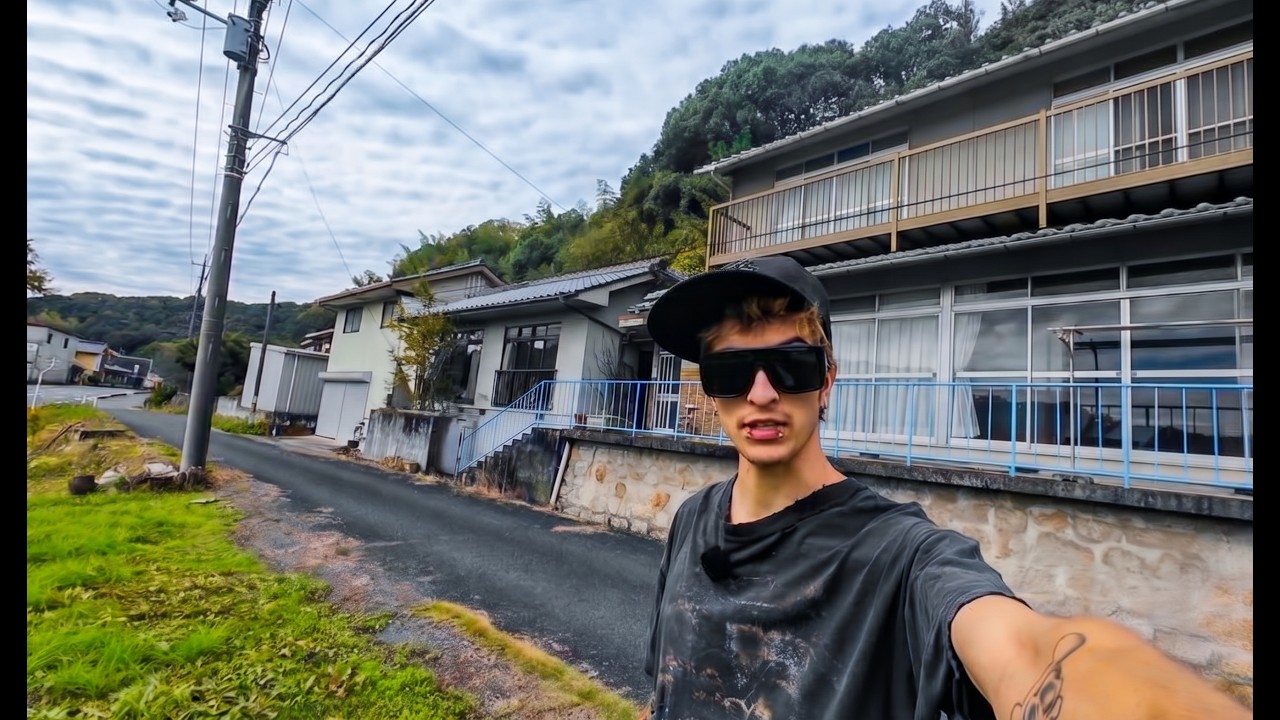
Japan Book Hunter is a channel about exactly that hunt. Shawn runs an online shop for retro, horror, gag and gekiga manga, old magazines and art books, and films the part most of us never get to see: the hauls, the second-hand shops, the pop-up book fairs and the exhibitions where all of it turns up.
Start here: eighty AKIRA magazines on one table

Start with this video
Japan Book Hunter
When we asked Shawn which video a new viewer should start with, he picked this one, because AKIRA is the series everyone knows. He calls the find the holy grail of his AKIRA hunting: eighty issues of the magazine that first carried Katsuhiro Otomo's AKIRA, chapter by chapter, years before the story was collected into the volumes most of us read.
That detail matters more than it sounds. In Japan, manga is published first in thick magazines, a chapter at a time, and only later gathered into books. The magazine pages are printed on cheap paper, often in coloured ink, with adverts and reader polls between the chapters. They are a different object from the book, and for collectors they are the original.
It's my favourite of Shawn's videos. Eighty issues of anything laid out together is a sight, and he's visibly enjoying himself.
The words you'll meet in a Japanese bookshop
Shawn's videos are in English, but the shelves he walks past are not, and a few words come up again and again. If you learn these before your next trip, the signs start to make sense.
- 漫画雑誌 (manga zasshi): a manga magazine, the weekly or monthly where chapters first appear.
- 単行本 (tankōbon): the collected volume, the book you'd find in a shop's manga section.
- 古本 (furuhon): second-hand books, and 古本屋 (furuhonya) is the shop that sells them.
- 初版 (shohan): first printing, the word collectors look for on the last page.
- 帯 (obi): the paper band around a new book, which collectors like to keep.
- 掘り出し物 (horidashimono): a lucky find, the thing you dug out of the pile. Shawn's whole channel is one of these.
More from the channel
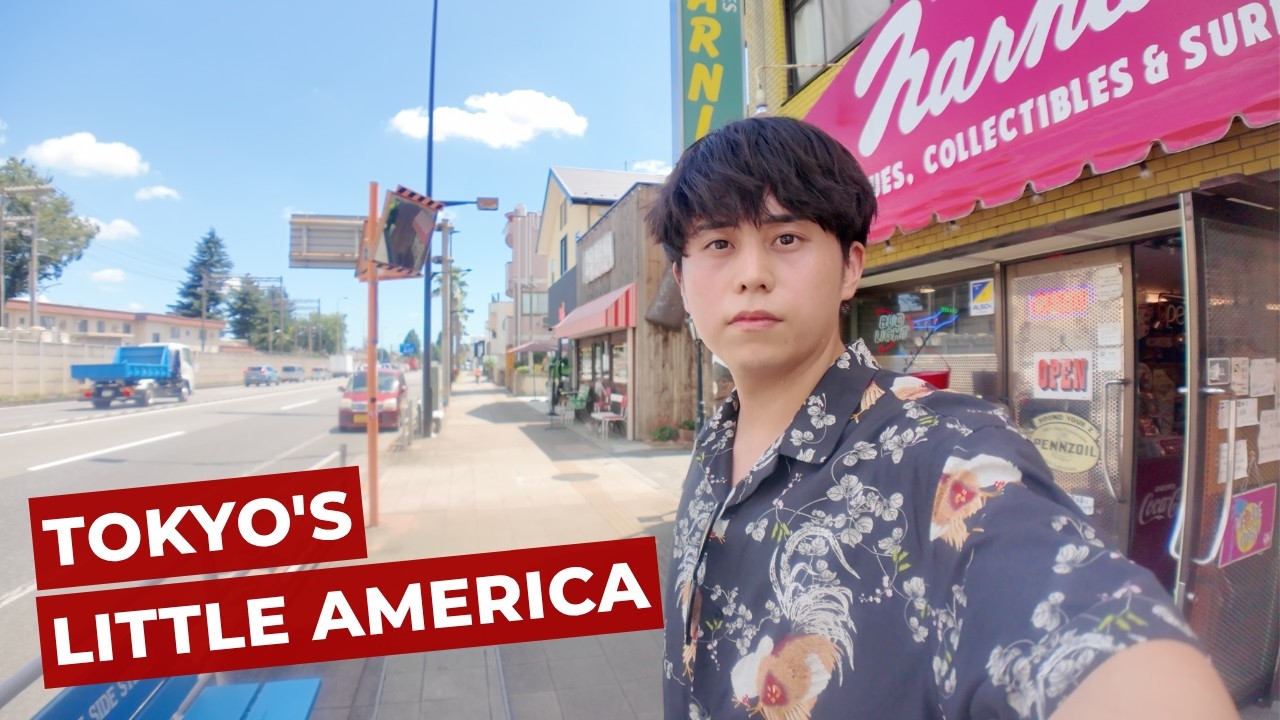
The AKIRA hunt is the special one, but the everyday videos are where the channel lives. Shawn visits a brand new Mandarake store in Omiya, spends a day at the biggest Koenji pop-up book fair of the year, buys everything at the Ghost in the Shell exhibition in Roppongi, and goes hunting for manga and tokusatsu finds with a friend. If you want to know what Tokyo's book scene looks like from the inside, these are the ones.
Reading manga as a learner
- Start with a series you already know in English. Knowing the story lets you keep reading when you don't know a word, which is the whole trick.
- Volumes are easier than magazines for reading: better paper, one story, and the furigana depends on the series, not the issue.
- Don't look up everything. Mark the words that come up three times, and learn those.
- If a series has an anime, watch it in Glosaire alongside the manga. Hearing the same lines you've just read is often what makes them stick.
Follow Japan Book Hunter on YouTube for more hunting trips, and if one of his finds is calling you, his shop is where they end up.